















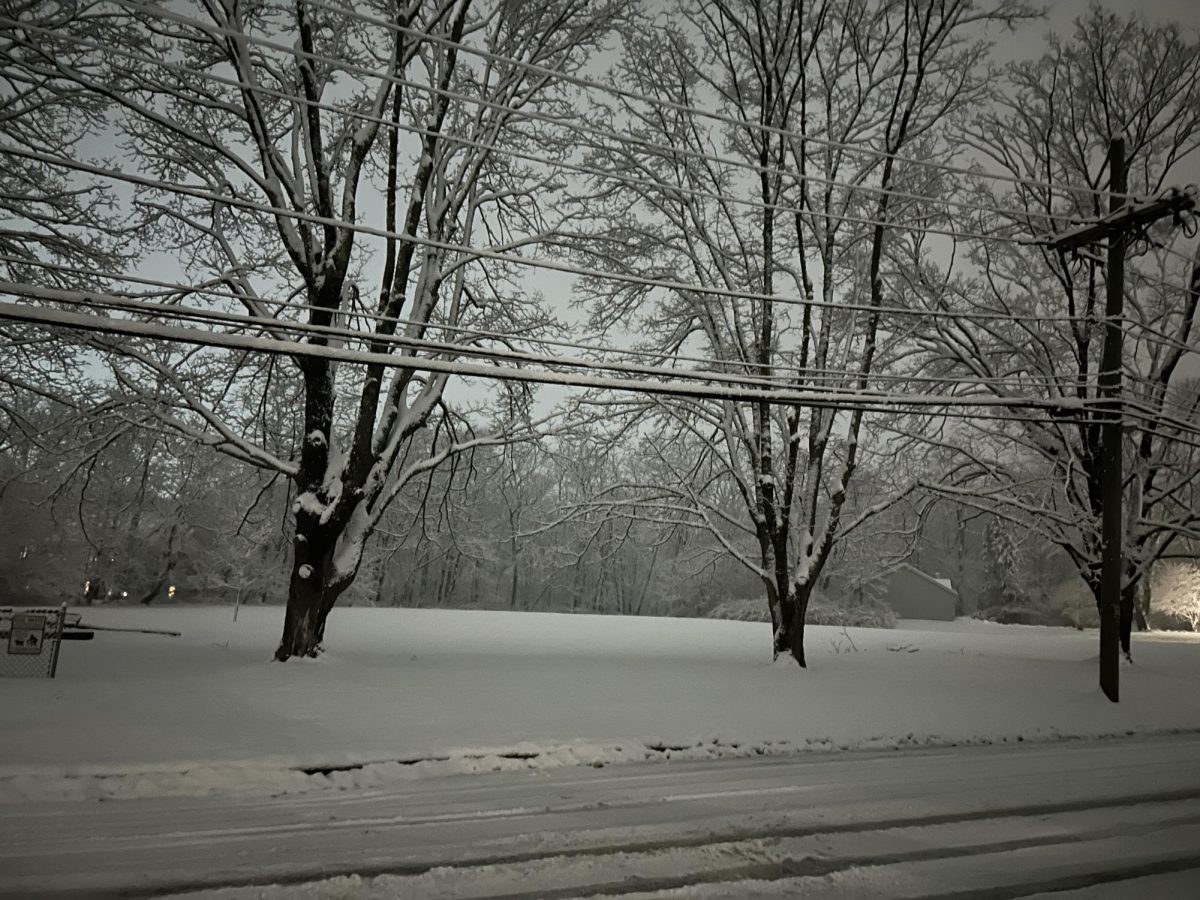
On Saturday, January 24th, an extreme snowstorm shook the majority of United States citizens. Many communities were struck with up to two feet of snow and ice that coated the streets. One city in New Mexico topped the list with a reported 31 inches of snow.
The freezing temperatures that come with these snowstorms heavily affect at-risk citizens, such as the elderly, disabled, and the homeless. Within the first 48 hours of the storm, at least 28 people were reported to have died while removing snow outside of their homes, with their ages ranging from 60 to 72 years old. Power was cut in over 800,000 homes, leaving families without proper heat or electricity.
Schools across the country closed due to the dangerous conditions, and over eleven thousand flights were cancelled or delayed. It is predicted that around 180 million Americans were affected by the storm.
On Monday January 26th, New York City mayor Zohran Mamdani reported that five people had died on the streets of the city after temperatures plummeted on Saturday. The mayor’s statement contains only the publicly confirmed number; the truth is, there is a chance of many deaths having taken place that are still unconfirmed. The New York Times claimed that at least ten people had been found, “Between Friday evening and Tuesday morning, ten people were found dead outside or later died at a hospital, officials said.” It is claimed that many of these citizens had a history within the city’s shelter system.
Approximately 771,500 people make up the homeless population in the US. Throughout the average American winter, over 700 homeless citizens are recorded dying due to the temperature. This is not including upwards of thousands of people unaccounted for. Storms such as the recent one bring this number to a much higher degree. New York Times interviewed an unhoused man on his experience in the cold, “Andrew Chappotin, 41, said he slept in a tent on Thursday night near 18th Street in Manhattan, swaddled by more than 30 cardboard boxes, several mylar blankets, sleeping bags, two layers of pants and a T-shirt, tank top, long-sleeve shirt, hooded sweatshirt and coat. He also had four different types of gloves.” Mr. Chappotin stated that he believed that he had been close to freezing to death before he found a safe place to stay.
Big city officials have made efforts to help those who need it during times such as these. “Just because the storm has passed does not mean that the danger to homeless New Yorkers has passed,” stated NYC Mayor Mamdani, “Outreach teams are only intensifying their efforts today to connect vulnerable New Yorkers to shelter.” Unfortunately, it is not unexpected for some to fall through the cracks. During this time of year, outreach teams, shelters, and warming stations are overwhelmed with people looking for help. Resources are spread thin even without the added pressure of a heavy winter storm.
There are many ways that you can help those who are struggling at this time. If you have the capacity to do so, make a donation to your local shelter. Volunteering and donating are two of the most important things that you can do for those in need during these times. If you have extra blankets, food, clothing, formula, etc., please don’t hesitate to find a way to donate. Everyone deserves a warm meal and a safe place to stay.