














On October 20, 2025, a 17-year-old female, Larissa Nicole Rodriguez, from Weslaco, Texas, died after suffering cardiac arrest. According to her family’s attorney, Benny Agosto Jr., she had no preexisting health conditions before her death. During a news conference, Agosto explained that the Hidalgo County medical examiner determined Rodriguez’s cause of death “was an enlarged heart due to stress and large amounts of caffeine.”
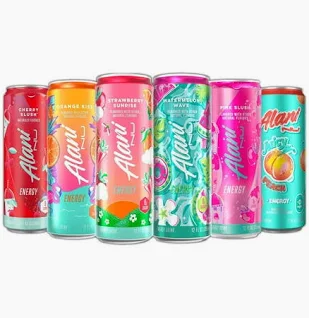
Rodriguez reportedly drank one or two cans of Alani Nu’s energy drink each day in the weeks leading up to her death. Each can contains around 200 milligrams of caffeine. Health experts say teenagers should usually consume no more than 100 milligrams of caffeine per day, meaning that even one can exceed the recommended amount for minors.
Agosto argued that the energy drink company failed to adequately warn consumers about the potential dangers of high caffeine intake. He explained that drinking the beverages had become a normal part of Rodriguez’s everyday routine.
“It was very common for her to get up in the morning, go to school, and have an Alani or be in sports activities and have an Alani,” Agosto said during the conference.
Rodriguez’s death has prompted conversations online and in schools about the effects energy drinks can have on teenagers. While some people believe energy drinks are dangerous and should be subject to stronger regulations, others think they are safe when consumed responsibly.
To better understand how teenagers feel about energy drinks, I interviewed seven high school students about their experiences with them. Most students said they drink around three to four energy drinks each week, although a few admitted they sometimes drink more during stressful weeks filled with schoolwork, sports, or jobs.
Many students explained that energy drinks help them stay awake during class and improve their focus. One student said energy drinks make people “more awake and able to focus in class.” Another student explained that they can help in social situations because they give people more energy and confidence. For teenagers balancing school, sports, homework, jobs, and social lives, energy drinks can seem like an easy solution when they are tired.
However, not every student had completely positive things to say. Several admitted that energy drinks caused them anxiety, shakiness, or difficulty sleeping. One student said that after drinking too much caffeine, they felt nervous and could not focus properly anymore. Another mentioned that relying on energy drinks too often can make people feel dependent on them just to get through the day.
Students also had mixed opinions about whether energy drinks are too easy for teens to buy. Some argued that they are “too widely available” and should possibly have age restrictions because of the amount of caffeine they contain. Others disagreed, saying energy drinks should be treated “just like any other drink” and that people should simply learn to consume them responsibly.
When students were asked specifically about the lawsuit involving Alani Nu and Larissa Rodriguez’s death, many learned about her cause of death during the interview, with only one knowing. After all the students were exposed to this information they admitted that the situation was concerning. Several students said the tragedy made them think more carefully about how much caffeine they personally consume. Others believed energy drink companies should place larger, clearer warning labels on their products so younger consumers fully understand the possible side effects.
One student stated that “the side effects should be better advertised,” while another believed personal responsibility also plays an important role. Some students even blamed Rodriguez for drinking multiple energy drinks so frequently, arguing that moderation is important with any caffeinated product.
Even with the concerns surrounding energy drinks, most of the students interviewed still described their personal experiences as mostly positive. Many said the drinks help them wake up in the morning, stay energized during sports, or complete homework late at night. In today’s fast-paced environment, teenagers often feel pressure to stay productive at all times, and energy drinks have become a quick way to deal with exhaustion.
Still, health experts continue to warn about the risks of consuming too much caffeine at a young age. Stephen Devries , MD, cited in “What doctors want patients to know about the impact of caffeine,” explained excessive caffeine can increase heart rate, blood pressure, stress levels, and anxiety. In serious cases, it may even lead to heart problems or cardiac arrest, especially when consumed in large amounts over time.
The death of Larissa Rodriguez has become part of a much larger discussion about teen health and the marketing of highly caffeinated drinks to younger audiences. Bright packaging, social media advertising, and sponsorships with influencers and athletes make energy drinks especially appealing to teenagers. Because of this, some people believe companies should be more responsible in how they market these products.
As energy drinks continue to grow in popularity, the debate over their safety will likely persist. Some people want stricter regulations, age limits, or stronger warning labels, while others believe education and moderation are enough.
For many teens, energy drinks are simply part of everyday life. But after the tragic death of Larissa Rodriguez, more students are beginning to ask whether the temporary boost of energy is worth the possible health risks that could come with it.