

















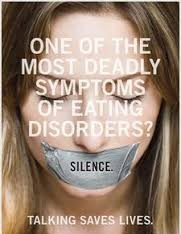
February is Eating Disorder Awareness Month. Eating disorders are serious mental health conditions that involve complex relationships with food, body image, and emotions, and can have severe physical and emotional consequences. Contrary to popular belief and stereotypes, eating disorders are not just about food; they are mental health conditions influenced by many factors such as biology, psychological ideals, and society.
Eating disorders are conditions that affect people of all ages, genders, races, and backgrounds. There are many types of eating disorders, but well-known disorders include Anorexia Nervosa: extreme food restriction, intense fear of gaining weight, and a distorted body image; Bulimia Nervosa: cycles of binge eating followed by compensatory behaviors like self-induced vomiting, excessive exercise, or laxative use; Binge Eating Disorder: recurrent episodes of eating large quantities of food, often rapidly and to discomfort, accompanied by feelings of guilt or distress; and Avoidant/Restrictive Food Intake Disorder (ARFID): limited eating due to sensory sensitivities, fear of negative consequences (like choking), or lack of interest in food, not tied to body image concerns.
There are many signs of eating disorders. These signs can include an obsession with food, calories or dieting, noticeable weight fluctuations, unusual eating habits such as binging or skipping meals, excessive exercise, purging behaviors, distorted body images, and social withdrawal/mood changes.
If you suspect that a loved one may be struggling with disordered eating, there are things that you can do to help. Firstly, it is important to educate yourself about eating disorders to better understand what others may be going through. It is important to listen without judgement, offering a safe space for loved ones to talk, without interrupting or criticizing. You can also encourage professional help and suggest seeking support from a therapist, dietician or doctor. It is also important to be mindful of how you approach the topic. Refrain from making remarks about weight, appearance, or food choices. Be patient and supportive; recovery takes time. Show ongoing care and remind them they’re not alone.
If you are struggling with an eating disorder, please know that you are not alone. Be kind to yourself; recovery is a journey. Practice self-compassion and remind yourself that healing takes time. Consider connecting with a therapist, dietitian, or doctor who specializes in eating disorders. Celebrate small victories and remember that every step forward, no matter how small, is a step toward healing.